The Best Stoic Books to Start With
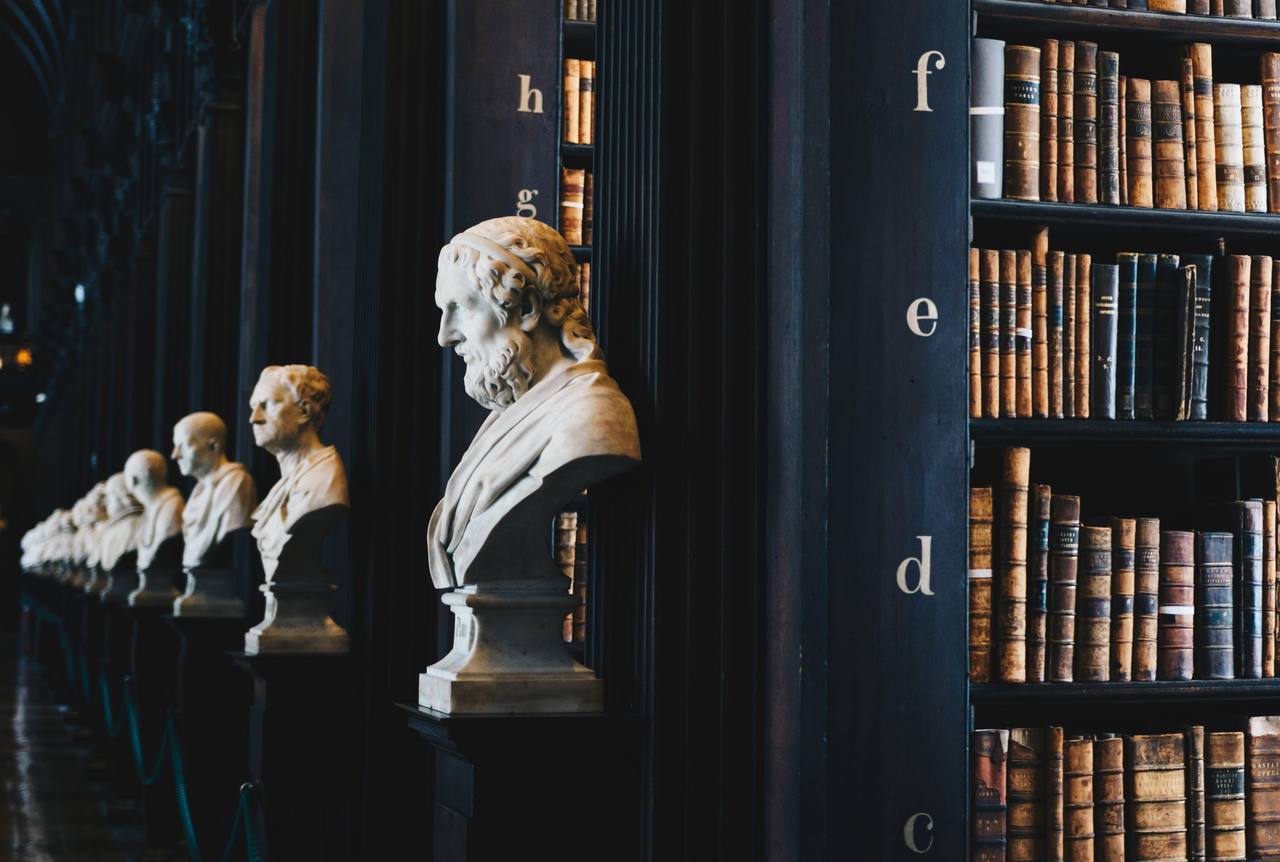
The best Stoic books fall into two groups. First the three ancient sources, the Meditations of Marcus Aurelius, the Letters of Seneca, and the Discourses and Enchiridion of Epictetus. Then a small set of modern guides that translate all of it into plain, usable advice for living now.
There is a trap waiting for anyone who gets into Stoicism. You read one good quote, you go looking for more, and within a week you have a stack of ten books and no idea where to begin.
Let me save you the stack. You really only need a few, and the order matters more than the number.
Where should a beginner start?
Pick one ancient book and one modern guide, and read them side by side.
The ancient book gives you the real thing, the voice of someone who actually lived it. The modern guide gives you the map, so you do not get lost in the old language and the missing context. Read them together and each one fixes the other’s weakness. That pairing will teach you more in a month than ten random books will in a year.
If you want the single best place to land first, it is the Meditations with a modern translation. But here is the full shape of it.
The three ancient books to read
Everything else is commentary on these. They are the primary sources, written by the people who built the philosophy.
- Meditations, by Marcus Aurelius. The private journal of a Roman emperor, written to himself. Warm, blunt, and weirdly modern. The Gregory Hays translation is the one to get. Start here. There is a fuller Meditations summary if you want the lay of the land first.
- Letters from a Stoic, by Seneca. Personal letters to a friend, which means they read like advice from someone who likes you, not a lecture. The Penguin selection translated by Robin Campbell is a great entry point. His short essay On the Shortness of Life is also worth every page.
- Discourses and the Enchiridion, by Epictetus. The bluntest of the three. Start with the tiny Enchiridion, a pocket handbook, before the longer Discourses. Robin Hard’s translation is clear and reliable.
Read the people behind them too. Here are short lives of Marcus Aurelius, Seneca, and Epictetus.
The best modern introductions
The ancient books are gold, but they assume a world you do not live in. These modern guides bridge the gap, and any one of them makes a great companion read.
- A Guide to the Good Life, by William B. Irvine. Probably the best single introduction for a complete beginner. Calm, clear, and practical, it turns Stoicism into a program you can actually run.
- The Obstacle Is the Way, by Ryan Holiday. Short, punchy, and built around the Stoic idea that hardship is raw material. Great if you want momentum and a push. His Daily Stoic is a fine year-long companion of one page a day.
- How to Think Like a Roman Emperor, by Donald Robertson. A blend of Marcus Aurelius’s life story and modern psychology. Excellent if you like the link between Stoicism and cognitive therapy.
- How to Be a Stoic, by Massimo Pigliucci. A thoughtful, slightly more philosophical take from a writer who came to Stoicism as an adult and explains it without the hype.
A simple reading order
If you want it spelled out, here is a path that works for almost everyone.
- Start with a modern guide. Irvine or Holiday, to get the core ideas fast and the motivation to keep going.
- Move to the Meditations. Now that you have the map, Marcus will hit much harder. Read a passage a day.
- Add Seneca’s letters. When you want depth and warmth, his letters are endless company.
- Finish with Epictetus. The Enchiridion last, once you are ready for the bluntest and most demanding of the three.
You do not have to rush it. This is a shelf you return to for the rest of your life, not a checklist to clear.
Which translation should you get?
It matters more than you would think, especially for the ancient books. A stiff, century-old translation can make a living idea feel like homework.
For the Meditations, get Gregory Hays. For Epictetus, Robin Hard. For Seneca’s letters, the Penguin Robin Campbell selection is an easy start. Skip the cheapest public-domain editions if you can, at least for your first read, because the older English adds a barrier the authors never intended. Once the ideas are in you, you can read any version and hear the voice underneath.
When you just want the lines themselves, here are the best Stoic quotes and a quick primer on what Stoicism is.
Frequently asked questions
What is the best Stoic book for beginners?
For most people it is either A Guide to the Good Life by William Irvine, as a modern introduction, or the Meditations by Marcus Aurelius in the Gregory Hays translation. Reading one modern guide alongside one ancient source is the strongest start.
Should I read Marcus Aurelius, Seneca, or Epictetus first?
Marcus Aurelius is the friendliest entry point, since the Meditations reads like a personal journal. Seneca offers warmth and depth in his letters, and Epictetus is the most demanding, so many readers save him for last.
Which translation of the Meditations is best?
The Gregory Hays translation is the most recommended for new readers because it reads in clean, modern English. Older translations are accurate but can feel stiff, which makes the book harder than it needs to be.
Are modern Stoicism books worth reading?
Yes, especially as companions to the ancient sources. Books by William Irvine, Ryan Holiday, Donald Robertson, and Massimo Pigliucci supply the context and structure that the original texts assume, which makes the old ideas far easier to apply.
Do I need to read all the Stoic books?
No. A single modern guide plus the Meditations will give you almost everything you need to start practicing. The rest of the shelf is there for when you want to go deeper, not a list you have to finish.
Get one like it every morning.
Free daily Stoic wisdom — one minute, real practice.