Is Stoicism Toxic? Answering the Critics

Stoicism is not toxic, but a popular distortion of it can be. The real philosophy is not about bottling up your feelings, refusing help, or grinding yourself into the ground. It is about not being ruled by destructive emotions while staying fully engaged with people and life. The toxic version is a misreading.
The criticism is everywhere now, and some of it is fair.
Scroll far enough and you will find Stoicism sold as emotional armor for men who refuse to feel anything, a grindset badge, an excuse to go numb. If that were the real thing, it would deserve the backlash. So let me separate the actual philosophy from the cheap knockoff wearing its name.
What the critics get right
Honesty first. A version of Stoicism floating around really is unhealthy, and pretending otherwise helps no one.
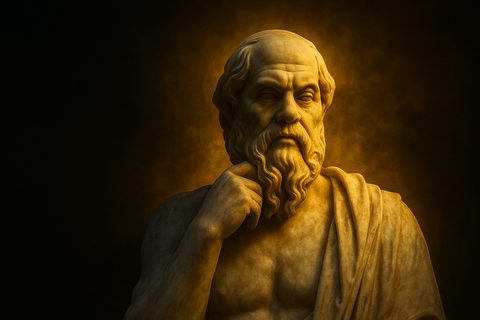
Some people use the word as cover for suppressing every emotion, calling it strength when it is really avoidance. Others twist accept what you cannot control into never push back against anything, even things they could change. And a whole corner of the internet has flattened a serious philosophy into hustle slogans over a black and white photo of a statue. Those criticisms land, because that stuff is genuinely not good for you.
The catch is that none of it is what the Stoics actually taught.
Stoicism is not bottling up emotions
This is the big one, so let me be blunt. The Stoics never told you to feel nothing.
They drew a line between feeling an emotion and being run by it. You will feel grief, fear, and anger, they said, because you are human. The work is to not let those feelings drag you into saying and doing things you will regret. That is the opposite of suppression, which just buries the feeling alive. Stoicism asks you to look at the emotion clearly, understand it, and then choose your response.
“Men are disturbed not by things, but by the views which they take of things.”
Epictetus, Enchiridion
That is about examining your reactions, not deleting them. For more on this exact myth, see does Stoicism mean hiding your emotions.
Stoicism is not passive
The second charge is that Stoicism breeds doormats who accept everything. It does the reverse.
Yes, the Stoics taught acceptance, but only of what is genuinely outside your control. What is inside your control, your choices and actions, they expected you to fight for. Justice is one of their four core virtues, which means standing up for what is right is not optional, it is required. Marcus Aurelius ran an empire. Cato died resisting a tyrant. These were not men who shrugged and gave up.
“The best revenge is not to be like your enemy.”
Marcus Aurelius, Meditations
Stoicism is not cold
The last myth is that it makes you detached and uncaring. The texts say otherwise on nearly every page.
The Stoics believed we are made for one another, that human beings are bound together like limbs of one body. Far from telling you to stop caring, they told you that kindness and service to others are central to a good life. A philosophy with sympatheia at its heart is not a recipe for coldness.
“Wherever there is a human being, there is an opportunity for a kindness.”
Seneca, On the Happy Life
So why the bad reputation?
Because the loud, simplified version travels faster than the real one.
A nuanced philosophy about virtue, emotion, and engagement is harder to meme than tough guy, never complain, feel nothing. The slogan version spreads, picks up critics, and the whole tradition takes the blame for a caricature of itself. The fix is not to reject Stoicism. It is to actually read it. Start with what Stoicism really is, the four virtues, and the dichotomy of control, and the toxic version falls apart on contact.
Frequently asked questions
Is Stoicism toxic or harmful?
No, the genuine philosophy is not. It teaches you to manage destructive emotions while staying engaged, kind, and just. What is often called toxic is a modern distortion that confuses Stoicism with emotional suppression, passivity, or hustle culture, none of which the actual Stoics taught.
Does Stoicism tell you to suppress your emotions?
No. The Stoics distinguished between feeling emotions and being controlled by them. They expected you to feel grief, fear, and love, but not to let those feelings hijack your judgment. That is emotional regulation, which is healthy, not suppression, which is not.
Is Stoicism just toxic masculinity?
No, though a shallow online version has been bent in that direction. Real Stoicism centers virtue, justice, and kindness, and it was practiced by emperors, statesmen, and former slaves alike. Reducing it to never feel anything strips out almost everything the philosophy actually says.
Does Stoicism make you passive?
No. Stoics accept only what is truly beyond their control. Everything within their power they are expected to act on, and justice is one of their four central virtues. The philosophy demands engagement and moral courage, not quiet surrender to whatever happens.
Get one like it every morning.
Free daily Stoic wisdom — one minute, real practice.