Simple Meditation That Actually Works (Only 2 Rules)
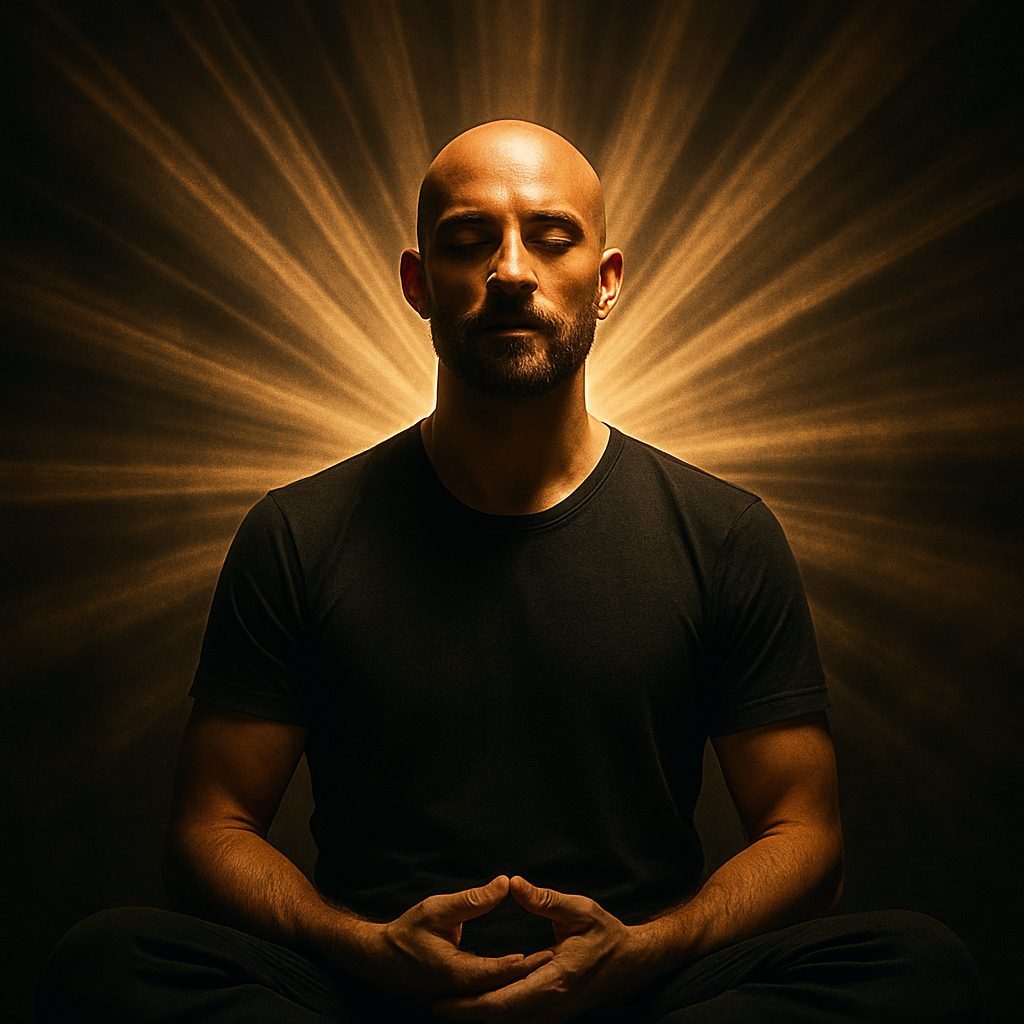
Most meditation advice is overcomplicated. I am going to give you exactly two rules that actually work. No apps, no breathing patterns, no chakras. What I have found is that the more tension and chaos there is in your mind, the more meditation helps, and the simpler your approach, the more effective it becomes.
Our minds are never off. Right now, as you read this, your brain is processing these words, monitoring your surroundings, tracking your emotions, and running background programs about old regrets and future worries.
It is like having fifty browser tabs open at once. Your mental energy is split across dozens of thoughts, most of them useless. That is exactly why meditation works so well, but only if you do it correctly. And by correctly, I mean simply.
The two rules
Here is the entire system, two rules anyone can follow.
Rule one: keep your eyes closed for the whole session. Fifteen minutes with your eyes shut, or start with five to ten if that feels easier.
Rule two: just keep breathing. That is it. I am not telling you how to breathe, when to breathe, or what pattern to follow. You have been breathing since the moment you were born. You do not need an app to teach you something your body already does perfectly.
That is the whole thing. Sit comfortably, close your eyes, breathe for fifteen minutes. Simple works, because simple is sustainable, and sustainability is what turns an occasional attempt into a habit that changes your life. I live downtown where it gets noisy, so I sometimes use noise canceling headphones, not for guided audio, but because outside noise makes it harder to turn inward. The goal is not perfect silence. It is removing the obvious obstacles.
It is not about stopping thoughts
Some people get this completely wrong. They think meditation is about stopping thoughts. They sit down, a thought appears, and they immediately decide they have failed. My mind will not shut up, this is not working. That is like lifting a weight, feeling resistance, and concluding that exercise does not work because it is hard.
Thoughts will come. They will go. Some will stick around, some will be profound, some completely ridiculous. Do not judge yourself for any of it. Do not force thoughts away, and do not get upset when your mind wanders. That is what minds do. Trying to stop it is like trying to stop your heart from beating.
The magic is not in stopping thoughts. It is in learning to watch them without getting caught up in them. You are developing awareness of your own awareness, the ability to step back and observe your own mind. And that one skill quietly improves everything else you do.
You already know how to do this
Sit however is comfortable. Some people insist on a perfect lotus position, but if you are physically uncomfortable, you will spend the whole session thinking about your discomfort instead of doing the work. We do not have to look the part. We just have to do the work.
You already know how to do this, by the way. Every night when you sleep, you let go of awareness of your body, your surroundings, your identity. Sleep is involuntary meditation. I am just asking you to do consciously what you already do unconsciously.
Meditation is exercise for the mind
Meditation is to your mind what exercise is to your body. When I was younger I thought working out was stealing time from important tasks. The opposite turned out to be true. The hour I spend exercising pays me back with hours of better energy and focus.
Meditation works the same way. Your brain uses around twenty percent of your body’s energy despite being two percent of its weight, and most of that is wasted on mental chatter that serves no purpose. Spend ten or fifteen minutes training your attention, and you get hours back in sharper focus, steadier emotions, and clearer thinking. I get my best work done after meditating. Big problems that overwhelmed me beforehand suddenly feel doable. The problems did not change. My perspective did.
There is another quiet benefit. When you focus on what you are actually sensing instead of thinking and planning, time seems to slow down. You stop racing ahead to the next worry. You actually live in the moment instead of sprinting through it.
Give it three weeks
You will not know how much this can change you until you try it consistently. Not one session, not three, but three weeks of daily practice. Just promise yourself to sit and breathe, and finish the whole five, ten, or fifteen minutes. Doing it every day matters far more than doing one long session.
What you are really doing is taking back control of your own mind. Instead of being pushed around by every thought and feeling, you are learning to watch them calmly. This might be the most useful skill you can build, because everything in your life, every relationship, every problem, every opportunity, passes through your mind first. Most people are slaves to their mental activity. Meditation makes you the master. To go deeper on the Stoic side of this, see Stoicism and mindfulness.
Get one like it every morning.
Free daily Stoic wisdom — one minute, real practice.