Stoicism and Death, How the Stoics Made Peace With Dying
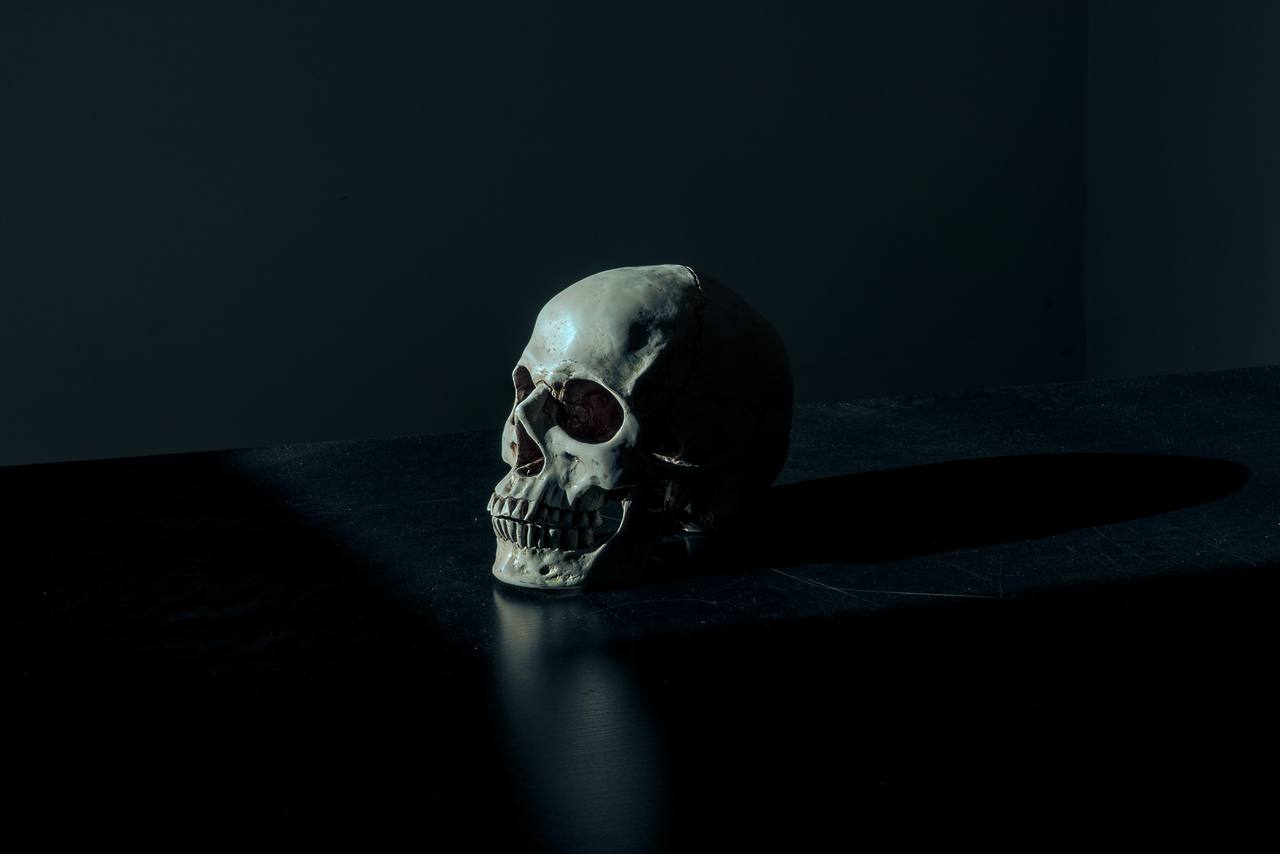
The Stoics treated death not as a horror to flee but as a natural event to understand. They held that the fear of death comes from our judgments about it, not from death itself, and that facing it squarely, even daily, drains away the terror and hands back the life you still have to live.
Most of us spend enormous energy not thinking about death. The Stoics did the opposite, and it made them calmer, not gloomier.
That sounds backward until you try it. The thing you refuse to look at owns you. The thing you face loses its grip. The Stoics turned and looked at death on purpose, and what they found there was not despair but a strange kind of freedom. Let me walk you through how they did it.
Why didn’t the Stoics fear death?
Because they refused to take the fear at face value. They asked where it actually came from, and the answer surprised them.
Death itself, they reasoned, is a natural process, the same nature that runs through everything and will one day run through you. What we fear is not the event but our story about it, the dread, the imagined horror, the judgment that it is the worst thing that could happen. Strip away the opinion and what remains is just a fact of nature, neither good nor bad in itself.
“Let death and exile and every other thing which appears dreadful be daily before your eyes; but most of all death.”
Epictetus, Enchiridion
That is not morbid advice. It is medicine. Keep death in view and it stops being able to ambush you, and a strange calm takes the place of the dread.
Death as a return, not a robbery
The Stoics had a way of reframing loss that reaches all the way to death. You never owned anything. You were lent it.
Your possessions, your relationships, your own life, none of it was ever truly yours to keep. It was given for a time and will be returned. Seen this way, death is not a theft that takes what belonged to you. It is the handing back of something that was always on loan.
“Never say of anything, ‘I have lost it’; but, ‘I have returned it.’”
Epictetus, Enchiridion
That single shift changes everything. You stop clutching, you stop being robbed, and you start being grateful for the time you were given at all.
Rehearsing the end to live now
Here is the twist that makes the whole thing worth doing. The Stoics dwelt on death not to darken life but to wake it up.
When you truly grasp that your time is finite and uncounted, the trivial falls away and what matters comes into focus. You stop postponing the things you mean to do and the people you mean to love. This is the heart of the practice they called memento mori, remember that you must die, and it is less a threat than an invitation.
“Do every act of your life as if it were your last.”
Marcus Aurelius, Meditations
Live like that and death becomes the thing that gives each ordinary day its weight.
Facing the death of those you love
Honesty matters here, so let me be plain. The Stoics did not claim grief was foolish or that you should feel nothing when someone you love dies.
They grieved. What they refused was to be destroyed by it, or to let it curdle into a rage against reality. They reminded themselves that the people we love are also on loan, that their dying is part of the same nature as their living, and that the love and the loss are two sides of having been given them at all. If you are carrying a loss right now, Stoicism for grief goes deeper into that gentler ground.
The freedom on the other side of fear
There is a prize at the end of all this, and the Stoics named it bluntly. The person who has come to terms with death has nothing left to be threatened with.
“He who has learned to die has unlearned slavery.”
Seneca, Letters from a Stoic
Think about what that means. Every fear is, at bottom, a branch of the fear of death, of loss, of ending. Make peace with the root and the branches wither. The one who no longer fears dying cannot be controlled by the threat of it, and that person is, in the deepest sense, free.
Frequently asked questions
What did the Stoics believe about death?
They saw death as a natural process, neither good nor bad in itself, and held that our fear of it comes from our judgments rather than from death itself. They believed it should be kept in view, even daily, so it could not ambush us, and that making peace with it frees us to live fully. Stoicism offers no personal afterlife but treats death as a return to the nature we came from.
Why did the Stoics think about death so often?
Not out of morbidity but to wake themselves up. Keeping death in view, the practice of memento mori, strips away the trivial and brings what truly matters into focus. It stops you postponing your real life and pressures you to act well now. For the Stoics, remembering mortality was a tool for living more fully, not a reason to despair.
How can Stoicism help with the fear of death?
By separating the event from your judgment of it. The Stoics argued that death itself is just a fact of nature, while the terror is a story we add. Facing death honestly and regularly, rather than avoiding it, drains that added dread. They also reframed dying as returning something that was only ever lent to us, which loosens the grip of fear.
Did the Stoics believe in an afterlife?
Not in the Christian sense of personal immortality. Most Stoics held that at death we dissolve back into the rational substance of the universe we came from, rather than surviving as individuals. Some were open about uncertainty on the details. Either way, they argued that a good life now, lived by reason and virtue, was the proper response, not anxious speculation about what follows.
Is memento mori the same as Stoicism’s view of death?
Memento mori, remember that you must die, is the specific practice of keeping mortality in mind, and it is one part of the wider Stoic attitude toward death. The fuller view also includes seeing death as natural, treating life as something lent rather than owned, accepting grief without being ruled by it, and finding freedom in losing the fear of dying. The practice serves the larger philosophy.
Get one like it every morning.
Free daily Stoic wisdom — one minute, real practice.