Why I Don't Like Owning Things, the Hidden Cost of Possessions
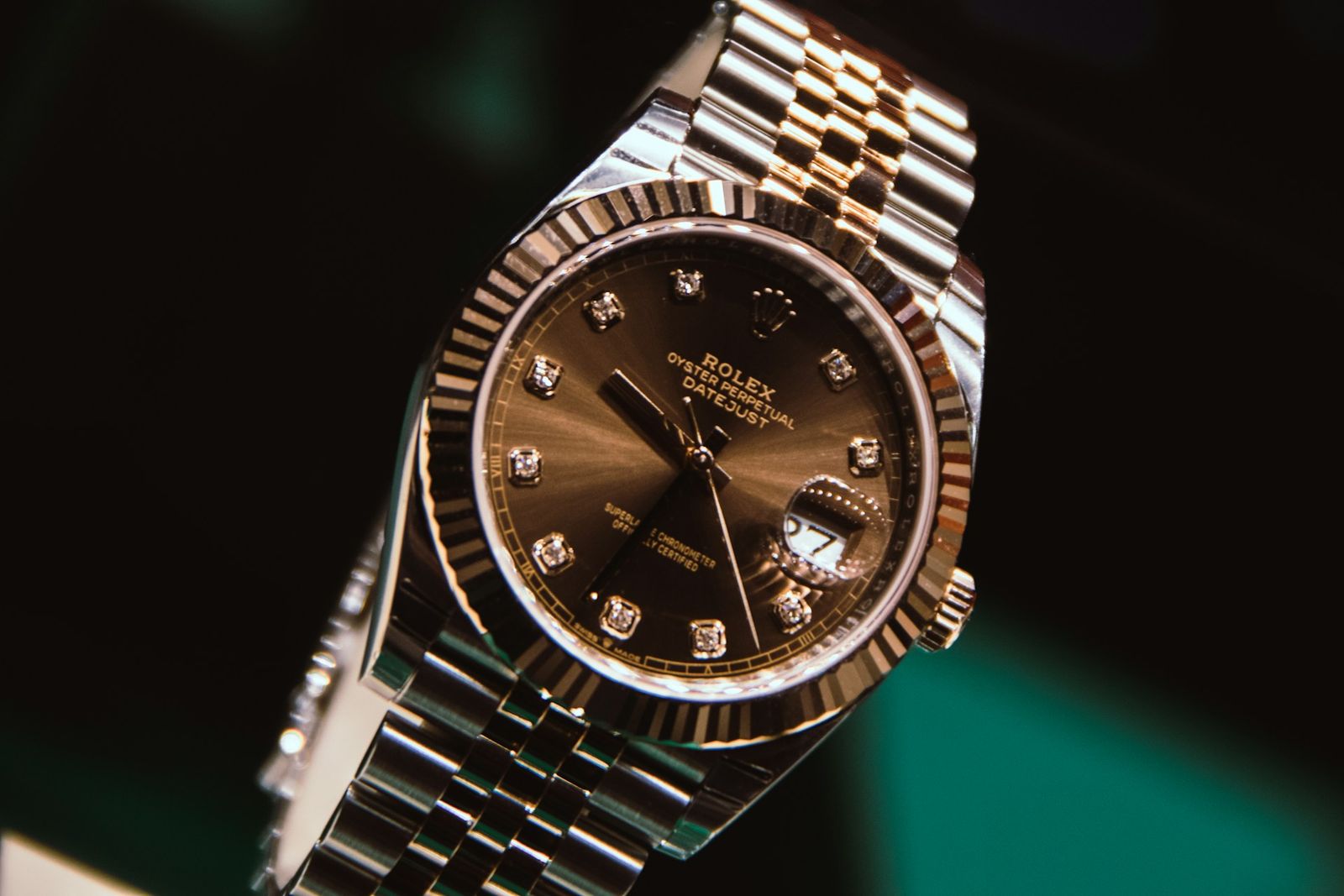
I do not like owning things. Not because I am some monk who has renounced the world, but because every object I own quietly asks something of me in return. Time, money, attention, worry. A possession is never just a possession. It is a small open tab that I keep paying long after I have forgotten the number on the label.
For years I thought wanting less was a flaw in me, some failure to enjoy what I had earned. Now I think it is the opposite. The more I own, the less of me is left for the things I actually care about.
A possession is a subscription, not a purchase
Here is the trick the price tag plays on you. It shows you one number and hides all the others. You think you are paying once. You are not.
You buy the car, and now you are paying for fuel, servicing, tires, parking, cleaning, and the slow dread of the next strange noise it makes. You buy the house, and something is always leaking, peeling, or breaking. You buy the gadget, and it needs charging, updating, a case, a warranty, and a drawer to die in eighteen months from now. The purchase was only the down payment. The real cost is everything that comes after, paid in small quiet installments for as long as you own the thing.
I started noticing that almost nothing I owned was ever finished. Each object came with a little invisible checklist attached, and I had signed up for every one of them at once.
The thing you own also owns you
There is a line from Seneca I keep coming back to. “It is not the man who has too little, but the man who craves more, who is poor.”
What he understood is that possessions do not sit there politely waiting to serve you. They make claims. The nicer the thing, the louder the claim. Once you own something valuable, you have to protect it, store it, insure it, and worry about losing it. You did not carry that fear last week. You bought it along with the object, free of charge.
Socrates, walking through a market full of goods for sale, is said to have marveled at how many things there are that a person does not need. I think about that every time I am tempted. The market is extraordinarily good at manufacturing needs out of thin air. I am trying to get better at walking past.
How possessions quietly steal your real work
This is the part that actually bothers me, because it touches the one thing I cannot make more of.
Real work, the kind that matters, needs long unbroken attention. It needs a clear head. And possessions are experts at fragmenting both. The afternoon disappears because a tap is leaking. The morning goes to an insurance renewal I do not fully understand. A whole week gets eaten by researching, buying, returning, and repairing something I did not need in the first place. None of it feels like a choice. It feels like maintenance, the rent you pay on everything you own.
Add it all up and a frightening amount of a life can go to simply keeping your stuff alive. Every object is a small manager sitting on your shoulder, asking for a meeting. The more you own, the more meetings you take, and the less of you is left for the work you would actually be proud of.
Insurance is just fear with a monthly fee
Look closely at insurance and you see the whole problem in miniature. You buy something nice. Then you pay, every month, to manage the fear that you might lose the nice thing. The possession created the anxiety, and now you are paying a second time to soothe it.
I am not against insurance. Some of it is wise and some of it is necessary. I am pointing at the pattern underneath. So much of ownership runs exactly like this. You pay to acquire, then you pay to maintain, then you pay to protect, then you pay again in attention every single time the thing crosses your mind. The object sits there looking innocent while the meter keeps running.
It is the same lesson I keep relearning in different shapes. Even the things that look free carry a cost, and the things you own carry the largest cost of all, paid slowly, in the currency of your life.
What I actually want instead
None of this makes me want to own nothing. That is just minimalism wearing the mask of a different vanity. What I want is fewer things that each earn their place.
A few tools that work. Objects that do their job and then leave me alone. I have learned to love things that ask for very little back, and to be suspicious of the ones that quietly want to become a hobby, a worry, or a second job. When something earns its keep, I keep it gladly. When it only adds to the pile of small open tabs, I would rather not.
The Stoics were never against having things. They were against being owned by them. You can hold a possession the way you hold a cup of water at a crowded party, ready to set it down the moment someone needs the table. The trouble only starts when you grip.
A simple test before I buy
So now, before I buy almost anything, I try to ask a better question. Not “can I afford this,” but “am I willing to maintain it, store it, insure it, worry about it, and one day deal with getting rid of it?”
That question prices in the entire life of the object, not just the sticker. Most of the time, when I am honest, the answer is no. The thing is not worth the long tail of attention it would quietly cost me. And every time I walk away, I notice the same feeling. Not loss. Relief. A little more of my time and my head stays mine.
That is really what all of this is about. I do not dislike possessions because I am strict or proud of owning little. I dislike what too many of them do to a life. The goal was never to own less for the sake of it. The goal is to be owned by as little as possible, so that the best of me goes to the work and the people who deserve it, and not to the endless upkeep of things.
Frequently asked questions
Is owning possessions bad according to Stoicism?
No. Stoicism does not ask you to own nothing. It asks you to hold what you own loosely, so your peace never depends on keeping it. The Stoics owned things. They simply refused to be owned by them.
How do possessions affect focus and productivity?
Every object you own carries a small ongoing claim on your attention: maintenance, repairs, insurance, decisions, worry. That upkeep fragments the long unbroken attention real work needs. Owning less is one of the quietest ways to protect your focus.
What is the hidden cost of owning things?
The price tag is the smallest cost. The real cost is everything after the purchase: time spent maintaining and fixing, money spent insuring and storing, and the mental load of protecting and worrying about what you own.
How do I decide whether something is worth buying?
Before buying, ask not only whether you can afford it, but whether you are willing to maintain it, store it, insure it, worry about it, and eventually get rid of it. If the full lifetime cost is not worth it, the thing is not worth owning.
Get one like it every morning.
Free daily Stoic wisdom — one minute, real practice.