How Social Media Changed Who You Think You Are
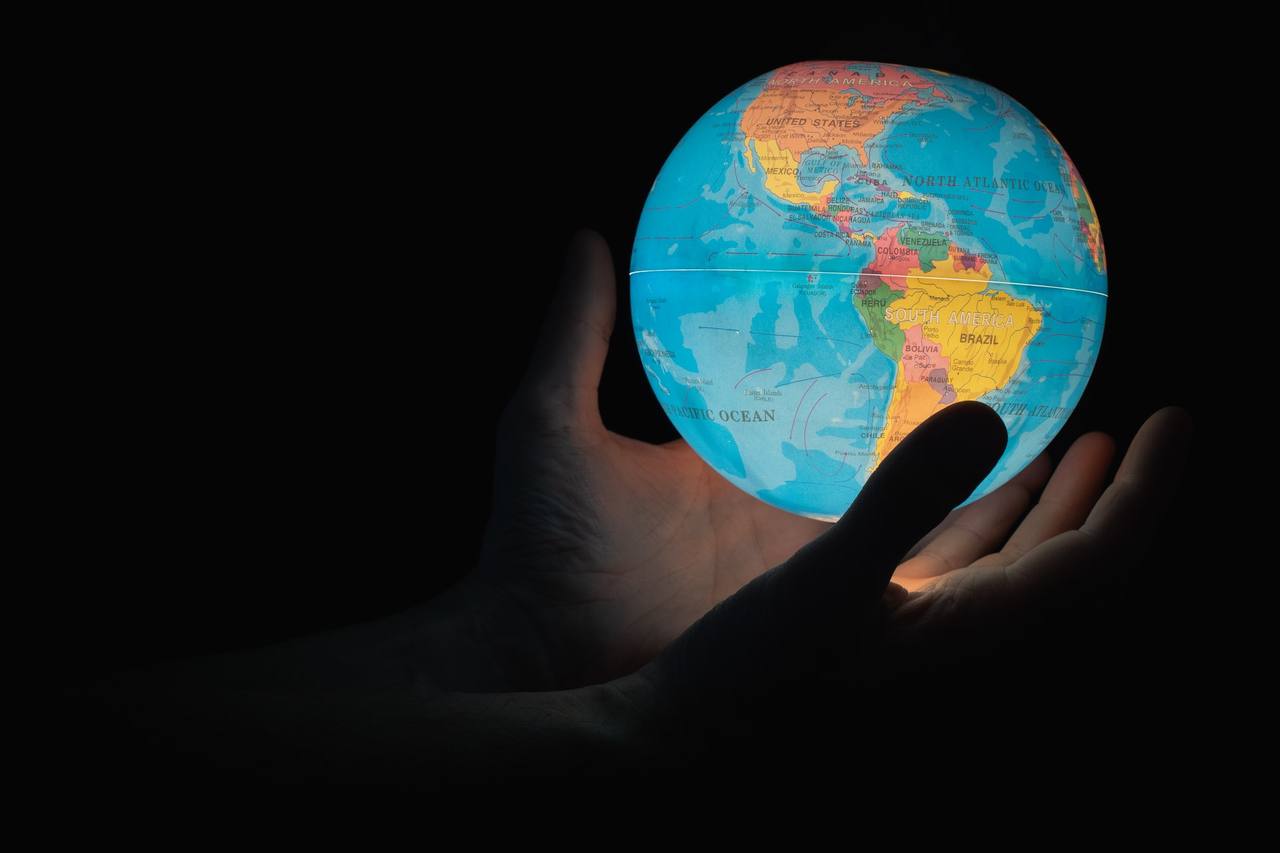
Let me ask you something. If I locked you in a room and only allowed you to see certain books, hear certain music, and meet certain people for several years, would that change who you are? Of course it would. Your tastes would shift, your worldview would change, and your sense of what is normal would be completely different.
This is precisely what is happening to billions of people right now. We are living through the greatest psychological experiment in human history, and we are all the test subjects.
Every platform you use runs algorithms designed to predict and modify your behavior. But here is what most people miss. These algorithms do not just predict what you will click next. They actively shape who you become. The person you believe yourself to be is not entirely you. It is a curated version of you, carefully built by systems that know you better than you know yourself. And the unsettling part is that you have been collaborating without realizing it.
The algorithmic you
Watch how it works. You open your favorite app and like one post, about fitness, cooking, politics, whatever. The platform shows you more of that. You engage with that too, because why not. But algorithms do not just give you more of the same. They give you more extreme versions, because extreme content gets bigger reactions. So you drift from casual interest to total obsession, and without ever choosing it, a thing you liked once becomes part of who you think you are.
The deeper problem is what gets suppressed. For every trait the algorithm amplifies in you, there are countless others it quietly buries. Say you had a brief flicker of curiosity about philosophy, but you did not engage with it as hard as other posts. The algorithm notes this and decides you are not interested, so it stops showing you philosophy entirely. Years later, you think you are just not into philosophy, never knowing a machine made that decision for you.
This is what I call the algorithmic you. A version amplified in some directions and diminished in others, not based on your authentic nature or conscious choices, but on what keeps you staring at a screen. You have been optimized, but not for your own growth. For corporate profit.
The gambling machine
The algorithm runs on what psychologists call intermittent reinforcement, the same principle that makes gambling addictive. Sometimes you get content that genuinely interests you, sometimes you do not, and that unpredictability keeps you coming back for the next hit.
But this is not how humans are meant to learn who they are. Throughout history, we learned who to be by observing and imitating the people around us, our immediate community, people who knew us, cared about us, and had a real stake in our genuine development. Now, instead, you are learning from a feed designed by strangers whose only interest is keeping you engaged.
Attention creates your reality
Social media discovered something meditation teachers and philosophers have known for centuries. Attention is the most valuable resource you have. Where you place it determines what you think about, what you think about determines how you feel, how you feel determines what you do, and what you do determines who you become. By controlling your attention, these algorithms are controlling who you become.
So that comfortable feeling of knowing yourself, your interests, your values, your personality, is largely an illusion produced by consistent algorithmic reinforcement. It has been years since many of us had a real, unfiltered conversation with our own mind.
You might be thinking, but I choose what to engage with, I am in control. That is the illusion of choice. Yes, you make choices, but you make them from a menu carefully curated to lead you in specific directions. You do not choose what the next reel will be. You are only choosing from their menu.
How to break free
So how do you get out? A few things.
- Diversify your inputs. Break out of the filter bubble. Read books written before social media existed. Spend time with people who do not live online. Engage with ideas that challenge you.
- Practice digital fasting. Take regular breaks from the feeds and let your mind reset, so you can discover what you actually like when no algorithm is telling you.
- Rebuild your attention span. Read or listen to long form content. Meditate. Do things that require patience. Learn to tell the difference between real curiosity and an algorithmic suggestion.
- Curate your own experience. Stop letting algorithms choose for you. Actively decide what you consume based on who you want to become.
The companies behind these platforms employ some of the smartest psychologists and behavioral economists in the world. Their entire business model depends on understanding your psychology better than you do. The engineered version of you they create is optimized for engagement and predictability, not for your growth or fulfillment. That version is a customer.
But the real you, the person you would be if you were making conscious, deliberate choices about your own development, is still there, waiting to be rediscovered. You are far more interesting, complex, and capable than any algorithm could ever predict. You just will not discover it while you keep outsourcing your self knowledge to machines that profit from your predictability. For the Stoic tools to take your attention back, see Stoicism and social media.
Get one like it every morning.
Free daily Stoic wisdom — one minute, real practice.